


In this post we use our Four Truths Framework™ to explore the topic of belonging.
The Lie: If you shout loudly about how great you are, everyone will wanna join your gang.
The Truth: Belonging isn’t claimed. It’s cultivated. And it starts long before anyone has compared your pricing, read your case studies, or even fully understand what you do.
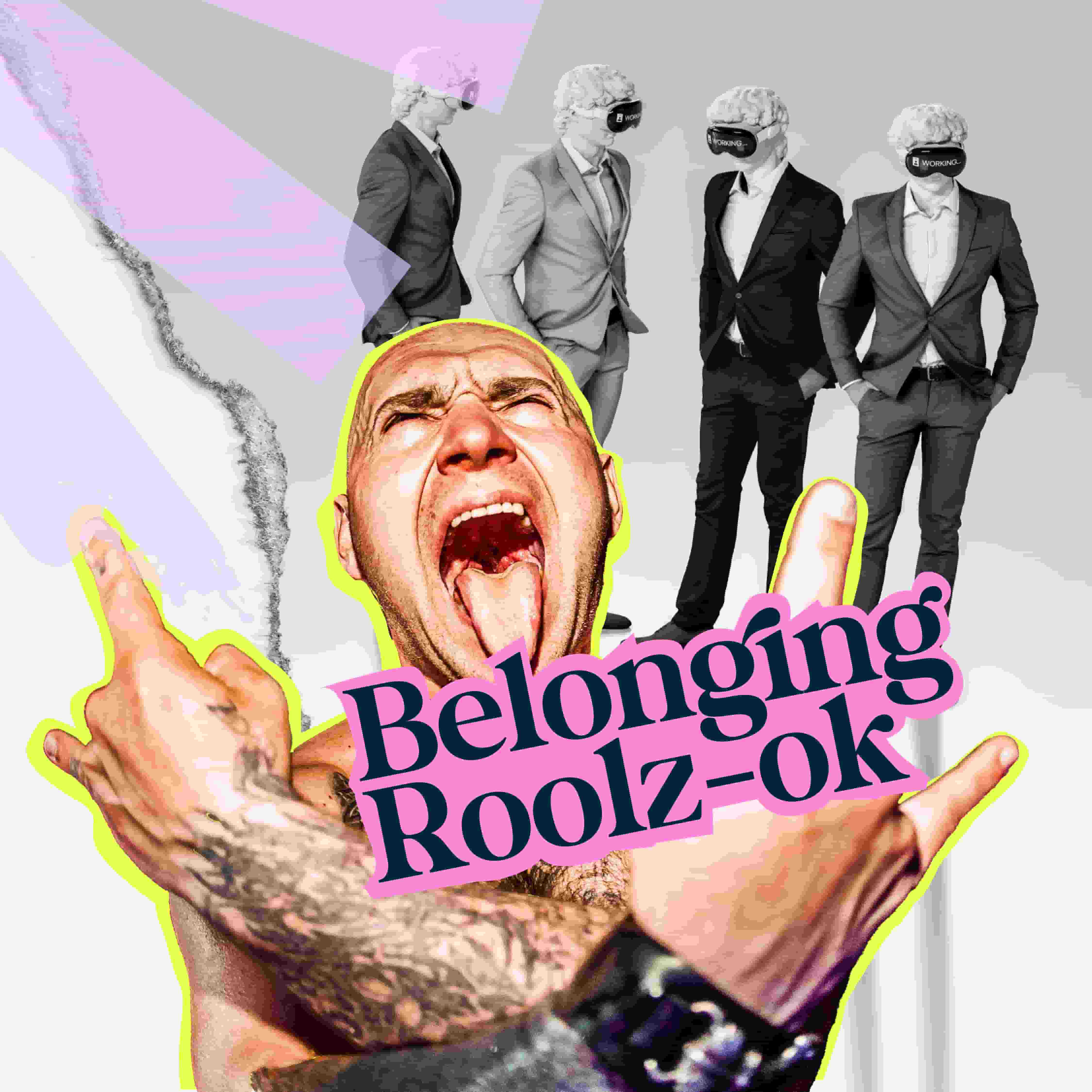
It can’t be enforced. Think of it less like a campaign and more like an invitation. The brands that build real belonging aren’t the ones with the biggest budgets. They’re the ones willing to take a position, shine a light on causes that don’t get airtime, and resist the pressure to be liked by everyone.
Because here’s the uncomfortable truth: mass appeal has no appeal.
Mass appeal has no appeal
Take Jägermeister. Once a dusty medicinal aperitif, today a cultural icon of rock and metal. That transformation didn’t come from clever advertising. It came from choosing a side. In the early 1990s they began sponsoring underground rock and metal bands, showing up repeatedly in the places their chosen tribe gathered.
Late nights. Dive bars. Festival tents. More recently, their #SAVETHENIGHT initiative championed DJs and independent artists under threat from venue closures, making them participants rather than sponsors, and embedding themselves in a shared identity.
They weren’t trying to appeal to everyone. They were earning the right to belong somewhere. And that made all the difference.
The Smart B2B brands are doing the same, quietly
Basecamp, the project management software built for teams who’d rather think clearly than move fast, made a bold call when everyone else was chasing growth at all costs: they rejected hustle culture.
Openly. Unapologetically. Remote-first. Calm work. Fewer meetings. Clear boundaries. For the people burning out under the weight of ‘always on’ culture, Basecamp wasn’t just a product. It was a worldview worth belonging to.
Salesforce took a different route but arrived at the same place. Rather than selling CRM software, they built Trailblazers: a global community of users who learn together, earn badges, and share their journey. Customers didn’t just buy a product. They joined something bigger.
Create something to believe in
It’s not just about being more human – a soundbite many B2B brands are tired of hearing. The majority already have genuine soul and purpose. The problem isn’t humanity. It’s clarity.
Before you invite people to belong, you need to be clear on what you’re offering that feels different, interesting and easy to get onboard with.
How are you making your customers’ lives better, and what’s the purpose behind it? Pair that with a brave, distinctive voice and you’re most of the way there.
This is exactly how Oatly rewired the rather po-faced health and wellness category. Not by being a ‘better milk,’ but by creating an identity people wanted to be part of. Bold, honest, interesting, different, and distinctive.
How could your brand create a stronger sense of belonging?
Don’t just talk the talk. Talk their talk. Know your audience’s frustrations, their in-jokes, their shorthand. Sound like someone they’d genuinely welcome into the room.
Show up where they already gather. Not everywhere. Somewhere specific. The niche event, the industry community, the corner of the internet where your people actually are.
And be brave enough to exclude. You cannot be everything to everyone, and trying is precisely what makes brands forgettable. The brands that belong somewhere have made peace with not belonging everywhere.
You may also be interested in…
Candace Gerlach, our Founder, on why something physical landing on your doorstep still says a lot, especially in an age of bots, scams and sponsored posts.
Luke Besant, our Head of Marketing, on why data dredging can lead you into the realms of the ridiculous.
At CMG, we uncover the human, cultural, brand and competitor truths that make brands the obvious choice. Time and time again. We even wrote a playbook that shows you how to go about it. You can download it here.
Belonging is one of those topics that tends to spark a reaction. If it’s got you thinking about your own brand, we’d love to hear from you.