


In this post we use our Four Truths Framework™ to explore the topic of emotion – where we discuss what brands are doing in their marketing to get noticed and retain a loyal customer base.
The Lie: Emotion is the opposite of logic in marketing. If you want to be taken seriously, lead with the facts.
The Truth: Rational thought and emotion aren’t in competition. They work in sequence. We may like to imagine we’re purely rational beings, but the brain tends to follow where the heart leads. The most effective marketing uses emotion to open the door, and logic to keep the customer in the room.
Feeling something is the point
We talk a lot about emotion in marketing, and it can sound like a soft option. A vague concept to bat about in a tea break after the serious work is done.
But read any IPA effectiveness paper or System 1’s ad research and you’ll see – it’s the campaigns making customers feel something that score higher than those boasting the cleverest product features.
Emotion matters, and brands that go beyond the rational are the ones living longer in people’s memory.
The Human Truth
We’ve been considering something called the Curse of Knowledge, a cognitive bias that means when you know something, you assume others do too. It’s a dangerous state of mind when it comes to brand marketing.
Often, businesses take the knowledge of their customers for granted, making content and campaigns that skip the essential, foundational steps. It’s not intentional, but it can make your audience feel like they’ve walked into the middle of a conversation, and the most human response is to tiptoe back out.
If the response to your communications is silence, it may not simply be apathy. Sometimes a brand can forget to meet people where they are.
The Cultural Truth
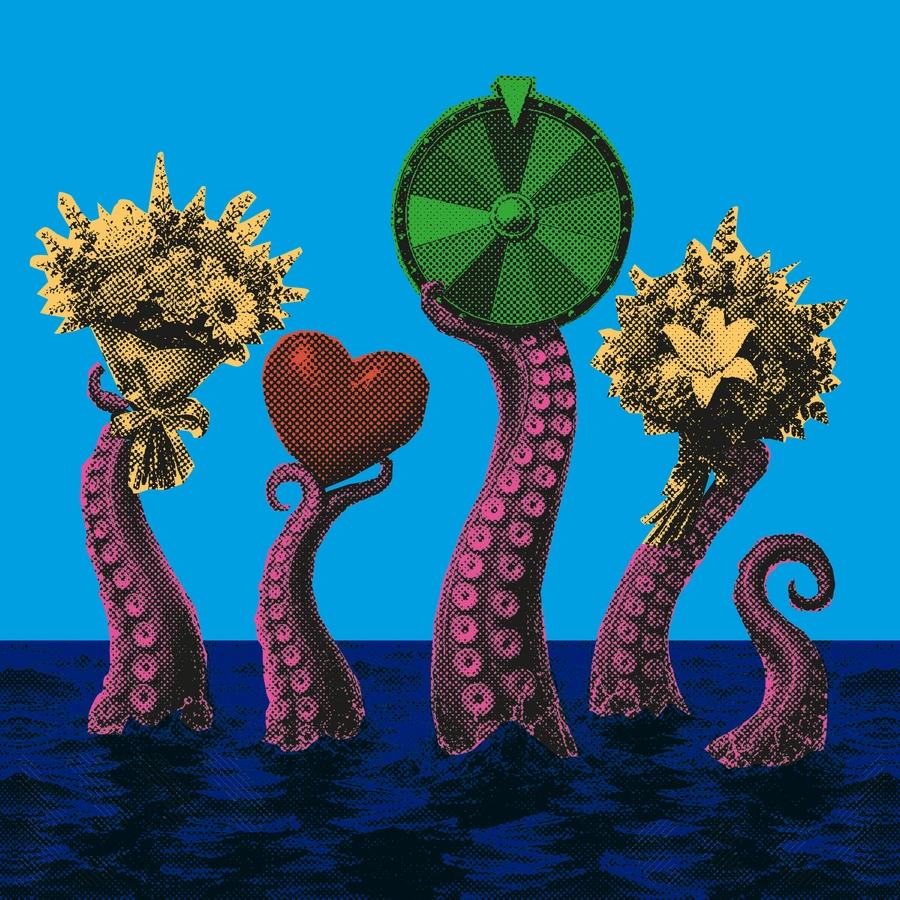
The joy of necessary non-necessities – those little things that never appear on a balance sheet but help build customer loyalty. As an example, Octopus Energy’s practice of sending flowers to customers celebrating a life event, or mourning a loss. This is the stuff that isn’t expected and is sometimes even frowned up as an ‘unnecessary cost’ (no one look at the finance team).
The chocolate on your hotel pillow, the customer service rep who remembers your name. These things automatically make you feel more emotionally connected to the brand. And at a time where interactions can feel very slick and transactional, small human touches can make all the difference.
The Brand Truth 

One example of a campaign that we were chatting about this month that put feeling before features (and we don’t usually focus on the big corporates) – was from mobile provider EE. Okay it launched a long time ago but we remember it. Introducing the idea of “Buffer Face” – people with their phones out, jaw slack, staring at a loading screen. We’ve all been there, usually in the Teams meeting with a bunch of senior stakeholders – cringe.
The campaign didn’t open with network speeds or data packages, it introduced a relatable feeling and offered the fix. That’s the creative route most successful brands follow and smaller B2B brands should too. Find the feeling first, let the feature be the solution.
The Competitor Truth
We can’t talk about human connection and emotion without acknowledging AI. AI is changing how we communicate, and how brands communicate with us. AI is diligent and capable, true, but its job is to strip the outliers and points of difference to get to the middle. These outliers are where a brand finds its unique voice.
Right now, while competitors generate their way to indistinction, there’s space opening up for businesses brave enough to keep human intelligence at the heart of how they communicate.
You may also be interested in…
Natasha Madan, Head of Marketing at Intuit Credit Karma, specifically talking about repositioning a transactional brand into an emotional one. She makes a case that will feel familiar after reading this month’s truths: when everyone’s working with the same data and the same tools, emotion is your only competitive differentiator. Worth a listen.
Plus..
Our Marketing Manager, Coleen Christie, on the ‘necessary non-necessities’ that turn a transaction into a relationship’.
If you have any thoughts on or examples of how brands use emotion effectively in their marketing , we’d love to hear from you.